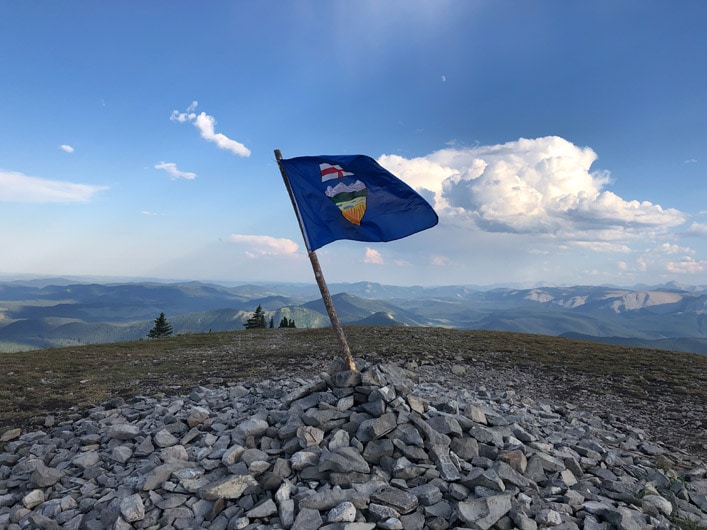
Alberta has become one of those places people keep talking about when they’re tired of expensive housing, crowded cities and feeling like their paycheque disappears the moment it arrives.
The sales pitch is pretty convincing.
Lower taxes. Bigger houses. Higher salaries. Beautiful mountains. Plenty of sunshine.
And if you’ve ever seen photographs of Banff, Canmore or Lake Louise, you can understand why moving here sounds appealing.
But there’s another side of Alberta that doesn’t always make it into those cheerful relocation videos.
The winters can be brutal. Finding a family doctor isn’t always easy. Car insurance can be expensive. And the idea that everybody moves here and immediately finds a fantastic job is a little optimistic.
Alberta can offer an excellent quality of life, particularly if you value space, outdoor activities and the possibility of homeownership. But whether it’s actually better than living somewhere else in Canada depends heavily on your income, lifestyle and where you choose to settle.
Before packing everything into a moving truck and heading west, here’s what living in Alberta is really like, including the advantages that make people stay and the frustrations that might make you reconsider.
The pros of living in Alberta
1. You don’t pay provincial sales tax
Let’s start with something you’ll notice almost immediately.
Alberta has no provincial sales tax.
When you buy something taxable in Alberta, you generally pay the federal 5% Goods and Services Tax.
Compare that with Ontario, where the combined HST is 13%, or British Columbia, where many purchases are subject to both the 5% GST and 7% provincial sales tax.
The difference adds up.
Imagine buying $2,000 worth of taxable furniture for your new apartment.
In Alberta, the sales tax would generally be $100.
In Ontario, at 13% HST, it would be $260.
That’s a $160 difference on one purchase.
Now think about furniture, electronics, household supplies and all the other things you might buy throughout the year.
The savings can become meaningful.
Of course, not everything is taxable in the same way, and Alberta still has property taxes, fuel taxes and other charges.
But shopping without an additional provincial sales tax is genuinely nice.
It’s one of those benefits you might stop thinking about after living here for a while, until you visit another province and look at your receipt.
2. Your income taxes may be lower
Alberta also has a relatively competitive provincial income tax system.
In 2026, Alberta taxes the first $61,200 of taxable income at 8%.
The next provincial bracket is 10%, applying to income from $61,200.01 to $154,259.
Higher income is taxed at progressively higher provincial rates.
The province also has a relatively high basic personal amount, which reduces the provincial tax payable for many residents.
You can see the current brackets on the Government of Alberta’s income tax page.
Does this mean everyone moving from Ontario or British Columbia will automatically pay less income tax?
Not necessarily.
The difference depends on your income, tax credits and personal circumstances.
But when you combine Alberta’s income tax structure with the absence of provincial sales tax, the overall tax burden can be attractive.
For a household earning a decent income and making regular purchases, the savings are worth calculating.
Just don’t assume a lower tax bill automatically means a cheaper life.
Housing, insurance, utilities and transportation can quickly absorb the difference.
3. Buying a home is still more realistic than in some Canadian cities
For many people, housing is the biggest reason to consider Alberta.
If you’re currently renting in Vancouver or Toronto, the idea of purchasing a home without needing an extraordinary income can sound almost too good to be true.
And although Alberta housing has become more expensive, there are still options that may feel relatively attainable compared with Canada’s most expensive markets.
Edmonton is particularly interesting.
Depending on the neighbourhood and property type, buyers can find townhouses, condominiums and detached homes at prices that would be difficult to imagine in some parts of Vancouver or Toronto.
Calgary is generally more expensive than Edmonton, especially for detached homes in desirable neighbourhoods.
But it still offers a range of property types and communities.
There are also smaller cities and towns where housing can cost less.
Places such as Red Deer, Lethbridge, Medicine Hat and Grande Prairie may appeal to buyers who don’t need to live in Calgary or Edmonton.
However, don’t expect Alberta to look like the bargain it was a decade ago.
The housing market has changed considerably.
Calgary experienced substantial price growth during recent years, and desirable detached houses remain expensive for many first time buyers.
According to the Canada Mortgage and Housing Corporation’s 2026 housing outlook, Calgary’s housing market is seeing more supply and changing demand conditions, but prices still vary widely by property type and location.
The advantage isn’t that every Alberta house is cheap.
It’s that there may be more realistic options for people who have been priced out of other major Canadian cities.
4. Renting can be more affordable, especially in Edmonton
If you’re not ready to buy, Alberta may still offer some relief.
But I would be careful about believing old claims that you can easily rent a beautiful Calgary apartment for next to nothing.
Those days are largely gone.
According to CMHC’s 2025 Rental Market Report, the average monthly rent for a two bedroom apartment in the purpose built rental market was approximately:
Calgary: $1,914 per month
Edmonton: $1,603 per month
Toronto: $2,046 per month
Vancouver: $2,363 per month
These are average rents across occupied units, not necessarily what a newcomer would pay for a newly advertised apartment.
In fact, properties available to new tenants can cost considerably more.
Still, Edmonton stands out as a relatively affordable large Canadian city.
Calgary can also offer better value than Vancouver, particularly when comparing similar types of accommodation.
The important thing is to compare actual listings rather than provincial averages.
A modern apartment near downtown Calgary may cost much more than an older apartment in an Edmonton suburb.
And a cheaper rental isn’t always a bargain if your daily commute becomes an hour each way.
5. Alberta has a diverse job market beyond oil and gas
Alberta’s economy is famous for oil and gas.
And there’s a good reason for that.
The energy industry remains an important part of the province’s economy, providing jobs in engineering, construction, maintenance, transportation and many related services.
But Alberta is not just oil rigs and pickup trucks.
Calgary has major employers in finance, technology, professional services, logistics and corporate operations.
Edmonton has significant employment in government, health care, education, construction and manufacturing.
Across the province, agriculture, transportation, tourism, skilled trades and other industries provide additional opportunities.
That diversity can make Alberta appealing to people with different professional backgrounds.
The labour market also changes.
According to Statistics Canada’s September 2026 Labour Force Survey, Alberta employment increased by approximately 23,000 jobs during September, and the provincial unemployment rate was 6.4%.
That is encouraging, but it doesn’t guarantee you’ll find work immediately.
Your qualifications, experience, industry and connections still matter.
And some occupations are much more competitive than others.
If you’re planning to move without a job lined up, I would strongly recommend researching your specific profession first.
Alberta has opportunities.
It isn’t a place where employment automatically falls into your lap the moment you cross the provincial border.
6. The Rocky Mountains are a huge lifestyle advantage
This might be Alberta’s biggest selling point for anyone who loves spending time outdoors.
From Calgary, you can reach Canmore in around an hour under normal driving conditions.
Banff is a little farther.
Kananaskis Country offers enormous mountain landscapes, hiking trails, lakes and camping areas.
And if you’re willing to drive farther, there are destinations such as Jasper, Waterton Lakes National Park and the Icefields Parkway.
It’s difficult to overstate how special that is.
Imagine finishing work on Friday and knowing you can spend Saturday hiking in the Canadian Rockies.
Or waking up on a summer morning and deciding to drive toward the mountains simply because the weather looks beautiful.
You don’t need an expensive flight or a week of vacation.
A day trip can be enough.
And Alberta’s outdoor attractions aren’t limited to the Rockies.
There’s Drumheller’s dramatic badlands scenery, beautiful provincial parks, rivers, forests, lakes and prairie landscapes.
For people who enjoy hiking, camping, skiing, cycling, fishing or just being outside, Alberta offers a lot.
Of course, living in Calgary doesn’t mean you’re hiking every weekend.
Real life has a habit of getting in the way.
But having those options within driving distance is a pretty wonderful advantage.
7. Alberta gets a surprising amount of sunshine
People often associate Alberta with freezing temperatures.
Fair enough.
Winter can be seriously cold.
But what surprises some newcomers is how sunny many parts of Alberta are.
Calgary, in particular, is known for its frequent sunshine.
Even during winter, you can have days with clear blue skies and bright sunlight.
The temperature might be well below freezing, but at least you’re not necessarily staring at dark clouds for weeks.
That makes a difference to the atmosphere of everyday life.
A cold, sunny day can feel much more inviting than a damp, grey day.
You might still need a heavy winter jacket.
You might still have to scrape ice off your windshield.
But the sunshine helps.
Southern Alberta also experiences Chinook winds, which can bring rapid temperature increases during colder months.
One day it feels like proper winter.
The next, snow is melting and people are walking around in much lighter jackets.
These changes can be a welcome break, although they can also create slippery conditions when melting snow refreezes.
8. You can enjoy city life without living in Canada’s largest metropolitan areas
Calgary and Edmonton are large enough to offer many of the amenities people expect from major cities.
You’ll find shopping centres, international restaurants, entertainment venues, professional sports, universities, hospitals and international airports.
Calgary has a growing downtown skyline, lively neighbourhoods and an impressive network of urban pathways.
Edmonton offers a huge river valley park system, festivals, arts venues and a strong cultural scene.
Both cities have neighbourhoods with very different personalities.
Some are busy and walkable.
Others are quieter, with detached houses, parks and suburban shopping areas.
And depending on where you live and work, you may find daily life less hectic than in larger metropolitan areas such as Toronto.
That doesn’t mean traffic doesn’t exist.
Calgary’s major roads can become frustrating during rush hour.
Edmonton has congestion too.
But many people appreciate having access to city conveniences without feeling like they live in an endless urban sprawl.
Although, to be fair, both cities have plenty of sprawling suburbs of their own.
9. Alberta can be a good place to raise a family
Space matters when you have children.
So does having access to schools, parks, recreation facilities and neighbourhood amenities.
Alberta has many communities designed around family life.
Suburban neighbourhoods often include playgrounds, walking paths, sports fields and schools.
Calgary and Edmonton both have public and separate school systems, along with private and alternative education options.
Smaller communities can offer a quieter environment, depending on what your family prefers.
And there’s no shortage of opportunities to spend time outdoors together.
A weekend doesn’t always have to involve paying for entertainment.
You can visit a park, walk beside a river, go skating or head into the countryside.
However, schools and childcare availability can vary significantly by neighbourhood.
A fast growing community may not have enough nearby school spaces for every child.
Some students may need to travel outside their immediate neighbourhood.
And access to childcare can be competitive.
So while Alberta has plenty to offer families, choosing the right community matters just as much as choosing the province.
10. You have room to choose a different lifestyle
One of Alberta’s advantages is that you don’t necessarily have to choose between a major city and a remote mountain town.
There are several options in between.
Want a large city with restaurants, entertainment and access to the Rockies?
Calgary might appeal to you.
Prefer a city with comparatively affordable housing, a strong arts scene and an extensive river valley?
Consider Edmonton.
Want somewhere smaller with services and a slower pace?
Red Deer or Lethbridge might be worth researching.
Prefer warm summer weather, a relatively dry climate and a smaller community?
Medicine Hat has its own appeal.
And if you want to live in a mountain town, places such as Canmore offer a very different lifestyle, although housing costs can be high.
Alberta isn’t one uniform place.
Your experience will be very different depending on where you decide to live.
That flexibility is an advantage.
It also means researching the province as a whole isn’t enough.
You need to research the actual community where you intend to settle.
The cons of living in Alberta
Now for the part that sometimes gets left out of the moving to Alberta advertisements.
Because beautiful mountains and lower taxes don’t automatically make everyday life easy.
1. Alberta winters can be long and exhausting
There’s no gentle way to describe an Alberta winter.
It can be cold.
Very cold.
Temperatures can fall below minus 30 degrees Celsius during severe cold spells, and wind chill can make conditions feel even harsher.
Snow can arrive early in autumn and remain a possibility well into spring.
If you’re coming from Vancouver, Victoria or another relatively mild climate, the adjustment can be significant.
You’ll need proper winter clothing.
Your vehicle will need to be prepared for cold weather.
Driving conditions can be stressful during snowstorms.
And simple things like walking to the grocery store can become much less enjoyable.
Winter also affects daily routines.
You might leave for work while it’s still dark and return home after sunset.
Getting children dressed for school takes longer.
Heating becomes an important household expense.
And you’ll discover that scraping ice off a windshield loses its novelty after approximately three mornings.
Southern Alberta benefits from occasional Chinook warmups.
But not every part of the province enjoys the same conditions.
Edmonton and northern Alberta can experience long stretches of persistent winter weather.
If you genuinely dislike cold climates, Alberta may be a difficult place to enjoy for several months of the year.
2. Finding a family doctor can be frustrating
Alberta has publicly funded health care for eligible residents through the Alberta Health Care Insurance Plan.
That is an important benefit.
But having health coverage and getting timely access to medical care are two different things.
Finding a family doctor who is accepting new patients can be challenging in some communities.
Specialist appointments and nonemergency procedures may involve waiting.
Access also varies depending on where you live.
Larger cities generally have more health care facilities, while rural communities may have fewer local services.
The provincial government has introduced initiatives intended to improve access to primary care, but newcomers should still plan ahead.
You can use the Alberta primary health care information page to find information about locating a provider.
And if you’re moving from another province, don’t forget that health coverage needs to be transferred.
Alberta generally requires eligible new residents moving from elsewhere in Canada to apply within three months of establishing residency.
Coverage usually begins on the first day of the third month after establishing residency, with the previous province’s coverage generally continuing during the transition.
Check the official Alberta health coverage instructions before you move.
If ongoing access to health care is particularly important to your household, investigate local providers before selecting a community.
3. Alberta is not as cheap as people think
This is probably the biggest misconception about moving here.
Yes, Alberta has no provincial sales tax.
Yes, you might find more affordable housing.
But living expenses extend far beyond your mortgage or rent.
You still need to pay for groceries, transportation, insurance, utilities, property taxes, internet and everything else.
Calgary has become more expensive over time.
Some attractive neighbourhoods now have housing costs that surprise people moving from other provinces.
And smaller communities are not automatically cheap either.
In certain northern or industrial towns, housing costs can be influenced by local employment demand.
If you’re moving primarily to save money, calculate the entire household budget.
Don’t just compare the price of a house.
A lower mortgage payment means less if you’re spending significantly more on commuting, heating or vehicle expenses.
4. Car insurance can be expensive
This one catches some newcomers off guard.
You move to Alberta expecting lower expenses.
Then you request a car insurance quote.
Suddenly, the savings don’t look quite as exciting.
Alberta uses a private automobile insurance system, and premiums vary considerably depending on your driving record, vehicle, location, coverage and insurer.
Young drivers and people with limited Canadian driving history may face particularly high costs.
In 2026, Alberta has a 7.5% annual premium increase cap for qualifying good drivers, reflecting ongoing concerns about affordability.
The province is also preparing changes to its automobile insurance system beginning in 2027.
Details are available on the Government of Alberta automobile insurance reform page.
If you currently live somewhere with a different insurance system, don’t assume your existing premium is a useful guide.
Get several quotes before moving.
A difference of even $100 per month adds up to $1,200 over a year.
That’s money you could otherwise be putting toward savings, housing or a few mountain weekends.
5. You may need a car for everyday life
Living in downtown Calgary or central Edmonton without a vehicle is possible.
Both cities have public transportation networks, including light rail transit systems.
But Alberta is a large, spread out province.
And many residential neighbourhoods are designed around driving.
Depending on where you live, getting groceries, visiting friends or reaching your workplace may be inconvenient without a vehicle.
Public transportation service and frequency can vary considerably by neighbourhood.
A trip that takes fifteen minutes by car might take much longer when you include walking, waiting and transfers.
And if you want to explore Alberta’s outdoor attractions, a vehicle becomes even more useful.
There are transportation services to destinations such as Banff, but many lakes, trailheads and provincial parks aren’t conveniently accessible by regular public transit.
For a household with two working adults, this can mean needing two vehicles.
Now you’re paying for two insurance policies, fuel, maintenance, winter tires and potentially two parking spaces.
The convenience is nice.
The cost isn’t.
If you’re trying to live cheaply in Alberta, transportation should be one of the first expenses you calculate.
6. Utility bills can be surprisingly high
People often focus on the advertised price of electricity or natural gas.
Then they receive their first Alberta utility bill and wonder where all the other charges came from.
Electricity and natural gas bills can include administration fees, delivery charges, transmission charges, distribution costs and municipal fees.
Some of those charges remain even when your energy consumption is relatively low.
The Alberta Utilities Consumer Advocate provides a useful explanation of how these charges work.
Winter heating also adds to the cost of maintaining a home.
A large detached house may sound affordable compared with a small condominium in another province, but it can cost considerably more to heat.
Older properties with poor insulation may be particularly expensive.
Before buying or renting, ask about typical utility expenses.
If possible, request actual bills from previous months.
An inexpensive rental with utilities excluded may not be such a bargain once everything is added together.
7. Rent increases can be difficult to predict
Alberta has rules controlling when landlords can increase rent.
But it does not have a general provincial limit on how much rent can increase.
Under Alberta’s residential tenancy rules, landlords generally must wait at least 365 days between rent increases.
Rent also cannot be increased during a fixed term tenancy agreement.
However, once the applicable timing and notice requirements are met, there is no general percentage cap on the increase.
This means a renter could face a substantial increase when the next permitted adjustment occurs.
You can read the details on the Government of Alberta’s tenancy information page.
Now, this doesn’t mean every landlord will suddenly raise rent dramatically.
Rental markets change.
Some landlords offer competitive prices to retain reliable tenants.
And increased rental supply has softened conditions in parts of Calgary and Edmonton.
But the lack of a general rent increase cap is something renters should understand.
If you’re moving to Alberta with a very tight monthly budget, think about whether you could handle a higher rent payment in the future.
8. The job market can be unpredictable
Alberta has strong industries and good career opportunities.
But parts of its economy are sensitive to changing commodity prices and business investment.
Oil and gas is the obvious example.
When energy prices are high and companies are investing, employment opportunities in related industries can expand.
When prices fall or projects slow down, jobs can disappear.
That affects more than people directly employed by energy companies.
Restaurants, contractors, equipment suppliers, transportation businesses and entire communities can feel the effects.
Other industries have their own pressures.
Technology hiring can slow.
Construction activity changes with housing demand.
Government and public sector hiring depends on budgets and staffing needs.
That’s why I wouldn’t recommend moving to Alberta based only on stories about somebody making an impressive salary in the oil industry.
Research your actual field.
Look at available positions.
Compare salaries with housing costs.
And if possible, secure employment before relocating.
A higher potential salary doesn’t help much if you spend several months searching for work.
9. Wildfire smoke can ruin beautiful summer days
Alberta summers can be wonderful.
Long daylight hours.
Warm evenings.
Mountain hikes.
Camping trips.
Patios full of people enjoying the weather.
Then wildfire smoke arrives.
Suddenly, the mountains disappear behind haze.
The sky turns grey or orange.
And outdoor plans become much less appealing.
Wildfire smoke has become an important concern across Western Canada.
Alberta’s government notes that wildfire smoke can significantly reduce air quality and expose people to fine particles that affect respiratory and cardiovascular health.
The severity varies by year and location.
Some summers have long stretches of clear weather.
Others experience repeated smoke events.
You can learn more through Alberta’s wildfire smoke information.
If you love the outdoors, it’s worth accepting that not every summer weekend will be suitable for hiking or camping.
People with asthma, respiratory conditions or other health concerns may need to take additional precautions.
And unfortunately, having beautiful mountains nearby doesn’t help much when you can’t see them.
10. Severe weather can be expensive
Cold weather isn’t Alberta’s only weather challenge.
Parts of the province experience powerful thunderstorms, hail, strong winds and occasional tornadoes.
Calgary is particularly well known for damaging hailstorms.
A severe storm can damage roofs, siding, windows and vehicles in a surprisingly short amount of time.
Homeowners may face expensive repairs.
Vehicle owners can end up dealing with insurance claims.
And insurance deductibles and coverage terms matter.
If you’re buying a home, ask about the condition of the roof and whether the property has experienced previous hail damage.
When choosing insurance, don’t just compare the monthly premium.
Look at what is actually covered.
Depending on where you live, flooding and other weather hazards may also be concerns.
This is not a reason to avoid Alberta.
Every province has its own environmental risks.
But it’s another reminder that homeownership expenses go beyond the mortgage payment.
11. Alberta can feel far away from everything
This depends on where you’re moving from.
If your entire family already lives in Alberta, it might not matter.
But if you’re relocating from Ontario, Quebec or Atlantic Canada, the distance can become a major part of your life.
Visiting family may require long flights.
Driving across Canada takes considerable time.
And spontaneous weekend trips to see relatives become much more complicated.
Alberta is also landlocked.
If you’re someone who loves living beside the ocean, you’ll notice the difference.
There are beautiful lakes, rivers and mountain landscapes, but they’re not the same as coastal living.
Even within Alberta, distances can be enormous.
Driving from Calgary to Edmonton takes around three hours.
Travelling from Calgary to Fort McMurray or Grande Prairie is a much bigger commitment.
The province is huge.
That can feel wonderfully spacious.
It can also feel isolating if your friends and family are far away.
12. Building a social life takes effort
Moving somewhere new is rarely as simple as finding an apartment and starting a job.
You still need to build a life.
That means making friends, discovering your favourite places and finding a sense of community.
In Calgary and Edmonton, people often live spread across different neighbourhoods.
You might meet someone interesting at work, only to discover they live forty minutes away.
Suddenly, meeting for coffee becomes an event that requires planning.
Winter can make this more difficult.
When it’s freezing outside, people may be less interested in spontaneous outings.
But Alberta also has opportunities to meet people through sports, hiking groups, volunteering, recreation programs and community events.
If you’re new, I would make an effort to get involved rather than waiting for friendships to happen naturally.
Join a group.
Take a class.
Find a regular activity.
The more connected you become, the more Alberta begins to feel like home instead of just a place where you happen to work.
Is Calgary or Edmonton better for living?
This is one of the first questions worth answering before deciding to move to Alberta.
The two cities share plenty of similarities, but they offer different lifestyles.
Living in Calgary
Calgary is often the first choice for people who want access to the Rocky Mountains.
Banff and Canmore are close enough for regular day trips.
The city also has a substantial corporate employment sector, growing technology activity and a busy international airport.
Many neighbourhoods offer excellent access to parks and pathways.
The main disadvantages are housing costs, traffic in certain areas and the expense of some desirable communities.
If mountain access is a major priority, Calgary has a clear advantage.
Living in Edmonton
Edmonton often appeals to people who want more housing space for their money.
The city has a large public sector employment base, universities, health care facilities and a lively arts and festival scene.
Its river valley is a major attraction for walking, cycling and enjoying green space.
Housing is often more affordable than in Calgary.
However, Edmonton is farther from the Rockies.
And its winters can feel more persistent, without the same frequent Chinook warmups associated with Calgary.
Which would I choose?
For someone who spends every free weekend hiking or skiing in the Rockies, Calgary makes a lot of sense.
For someone focused on homeownership, affordability and access to big city amenities, Edmonton deserves serious consideration.
But your job location might settle the question before anything else.
A great position in Edmonton is usually a much better reason to live there than an online argument about which city has nicer weather.
Is Alberta a good place for newcomers to Canada?
It can be.
Alberta has large multicultural communities, international airports, educational institutions and employment opportunities across different industries.
Calgary and Edmonton are home to people from around the world.
You’ll find international grocery stores, restaurants, cultural festivals and community organizations.
For newcomers who already have professional qualifications, Canadian work experience or strong employment prospects, Alberta may offer a promising start.
But I would avoid arriving with unrealistic expectations.
Finding your first job can take time.
Some regulated professions require Canadian licensing or credential recognition.
Housing may cost more than expected.
And winter can be a considerable adjustment for people arriving from warmer countries.
Health care eligibility also depends on immigration status and residency requirements.
If you’re moving from outside Canada, check the Alberta Health Care Insurance Plan eligibility rules before arriving.
The smartest approach is to treat moving to Alberta as a serious financial and career decision, not simply a chance to live near beautiful mountains.
Is Alberta good for retirement?
That depends on what you want from retirement.
For some people, Alberta offers several advantages.
No provincial sales tax.
Access to nature.
Smaller communities.
And the possibility of owning a comfortable home without paying the prices found in Canada’s most expensive cities.
If you enjoy outdoor activities and don’t mind cold weather, retirement in Alberta can be appealing.
But there are drawbacks.
Long winters can become more challenging as you get older.
Driving may be necessary for many everyday activities.
And access to family doctors, specialists and nearby medical services should be a major consideration.
If you’re retiring, I would pay particular attention to the community rather than simply choosing the cheapest house.
Living near health care services, grocery stores, recreation facilities and family may be more valuable than having an extra bedroom.
Alberta can be a great place to retire.
Just make sure the lifestyle you choose will still work for you ten or fifteen years from now.
How much money do you need to live comfortably in Alberta?
There’s no single salary that guarantees a comfortable life.
A person renting a small apartment in Edmonton has very different expenses from a family purchasing a detached house in Calgary.
Your transportation needs, debt payments, childcare costs and lifestyle all matter.
But before moving, I would calculate these basic expenses:
- Monthly rent or mortgage payment
- Electricity, natural gas and other utilities
- Groceries and household supplies
- Vehicle payments, insurance, fuel and maintenance
- Internet and phone bills
- Childcare or school related expenses
- Insurance, savings and emergency expenses
The biggest mistake is comparing salaries without comparing what those salaries need to cover.
Suppose you’re offered a job in Calgary paying $10,000 more per year than your current position.
That sounds fantastic.
But if your housing costs increase by $500 per month and you need to buy another vehicle, the move could leave you financially worse off.
On the other hand, someone moving from an extremely expensive rental market to a more affordable community in Edmonton might save a substantial amount each month.
Run the numbers for your own situation.
And keep an emergency fund.
Moving somewhere new is much less stressful when you can handle a few unexpected expenses.
The biggest mistake people make when moving to Alberta
It’s assuming that the province will solve all their financial problems.
Alberta can offer a better opportunity.
It can’t promise a better outcome.
Someone might sell a small apartment in Vancouver and use the money to purchase a much larger home in Alberta.
That can be life changing.
But someone else might move without a job, struggle to find employment and discover that rent, insurance and utilities are higher than expected.
The same province can produce very different experiences.
That’s why I would approach moving to Alberta in this order.
First, research the job market for your profession.
Then compare housing prices and rental availability in the actual city where you want to live.
Next, calculate transportation and other monthly expenses.
After that, think about the lifestyle.
Do you enjoy winter?
Are you comfortable driving?
Do you want mountain access or urban conveniences?
Would you be happy living far from family?
Those questions tell you much more about whether Alberta is right for you than an impressive photograph of Lake Louise.
Who would probably enjoy living in Alberta?
Alberta may be an excellent fit for someone who values outdoor recreation, wants more living space and is comfortable with a colder climate.
It can also appeal to skilled workers with strong employment prospects, families looking for different housing options and people who appreciate living in a large city without being in Canada’s biggest metropolitan areas.
If you enjoy road trips, hiking, skiing and exploring nature, the province offers an incredible amount to discover.
And if your financial situation improves after moving, those advantages become even more enjoyable.
Who might not enjoy living in Alberta?
If you strongly dislike long winters, Alberta might be a difficult adjustment.
The same goes for people who want to live comfortably without owning a car, particularly outside central urban neighbourhoods.
If you depend on frequent access to specialized medical services, research local health care availability carefully.
And if your career is concentrated in an industry with few Alberta employers, moving without securing work could be risky.
People who love mild coastal weather, dense walkable neighbourhoods or living near extended family elsewhere in Canada may also find the tradeoffs harder than expected.
None of these preferences are wrong.
They simply mean Alberta isn’t the ideal place for everybody.
Is living in Alberta worth it in 2026?
For the right person, absolutely.
Alberta still offers a combination that’s difficult to find in many parts of Canada.
Beautiful natural scenery, major cities, relatively competitive taxes and housing options that can be more attainable than in Vancouver or Toronto.
You can build a career, raise a family, purchase a home and spend weekends exploring some of the most beautiful landscapes in the country.
That’s a pretty appealing package.
But the province has become more expensive, and newcomers should be realistic about the challenges.
A good salary matters.
Reliable employment matters.
Housing costs matter.
And if you’re spending half the year wishing winter would end, the mountain views might not be enough to make you happy.
The trick is finding the right balance between what Alberta offers and what you’re willing to give up.
Final thoughts on the pros and cons of living in Alberta
There is plenty to love about Alberta.
The mountains. The sunshine. The open spaces. The feeling that there is always another lake, trail or small town worth discovering.
And for some people, the financial advantages can genuinely improve their quality of life.
But living here isn’t the same as visiting for a vacation.
A beautiful mountain view doesn’t help when your car won’t start during a cold snap.
Lower sales taxes feel less exciting when your utility bill arrives.
And a larger house isn’t necessarily a better life if your commute eats up all your free time.
The best reason to move to Alberta isn’t simply that it’s cheaper. It’s that the combination of opportunities, lifestyle and costs makes sense for you.
If you’ve done your research, found a community you like and have a realistic financial plan, Alberta can be an incredible place to call home.
You might discover that having the Rockies a short drive away is every bit as wonderful as you imagined.
Just make sure you’re prepared for the other side of the experience too.
Because loving Alberta means enjoying those spectacular summer evenings and accepting that, a few months later, you might be scraping frost off your windshield at seven in the morning.
And somehow, for a lot of people, it’s still worth it.
