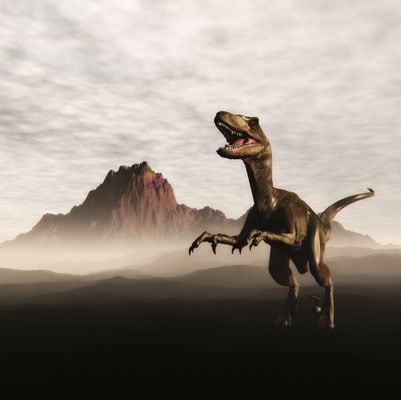
Imagine driving across the flat Alberta prairie for a couple of hours, looking at fields, farms and endless stretches of open sky.
Then, almost out of nowhere, the landscape seems to fall apart.
The ground drops into a maze of deep valleys, colourful rock formations and strange hills that look like they belong on another planet.
Welcome to Dinosaur Provincial Park.
It’s one of the most unusual places in Alberta, yet plenty of people have never visited it. Some haven’t even heard of it.
And others assume it’s somewhere near Drumheller.
It isn’t.
Dinosaur Provincial Park is a completely different destination, located near Brooks in southern Alberta. It’s also a UNESCO World Heritage Site and one of the richest dinosaur fossil areas in the world.
But here’s what makes it especially interesting.
You don’t need to be obsessed with dinosaurs to enjoy visiting.
The scenery alone is worth the trip.
There are short hiking trails, dramatic viewpoints, ancient fossils, guided adventures and opportunities to camp right in the middle of the badlands.
So is Dinosaur Provincial Park worth the drive from Calgary?
For anyone looking for something different from the usual mountain day trip, absolutely.
Just don’t arrive expecting a giant dinosaur museum or assume you can explore every corner of the park on your own.
There are a few important things to know before visiting.
Where is Dinosaur Provincial Park?
Dinosaur Provincial Park is located in southeastern Alberta, approximately 48 kilometres northeast of Brooks.
It’s about 220 kilometres from Calgary, making it a reasonable destination for a day trip or weekend getaway.
The drive generally takes around two and a half hours, depending on your starting point, traffic and road conditions.
From Calgary, you’ll travel east along the Trans Canada Highway toward Brooks before following local roads north toward the park.
The first part of the drive isn’t particularly dramatic.
There are fields, open prairie, agricultural communities and long stretches of highway.
Then you begin approaching the badlands.
And that’s when things get interesting.
The landscape suddenly opens into eroded valleys and steep, layered hills. It’s an incredible contrast to the surrounding prairie.
One minute you’re looking at flat farmland.
The next, you’re staring across a landscape that seems to belong in a dinosaur movie.
That dramatic change is part of what makes visiting Dinosaur Provincial Park so memorable.
Dinosaur Provincial Park is not in Drumheller
This deserves its own explanation because it’s one of the most common mistakes visitors make.
Drumheller is famous for dinosaurs.
It’s home to the Royal Tyrrell Museum of Palaeontology, one of the world’s leading museums dedicated to prehistoric life.
Naturally, people assume Dinosaur Provincial Park must be somewhere nearby.
But the two destinations are separated by a considerable distance.
Alberta Parks specifically warns visitors that Dinosaur Provincial Park is not located in Drumheller and that driving between the park and the Royal Tyrrell Museum takes at least two hours.
That’s important if you’re planning a day trip.
You don’t want to book a fossil tour at Dinosaur Provincial Park and then accidentally drive to Drumheller.
And while both places feature Alberta’s incredible badlands, they offer very different experiences.
Drumheller is especially appealing if you want museums, dinosaur skeletons and roadside attractions.
Dinosaur Provincial Park is more about exploring the actual landscape where important fossils have been discovered.
Think of one as a place to learn about dinosaurs through museum exhibits and the other as a place to experience their ancient environment.
Both are worth visiting.
Just don’t assume you can casually explore both in a few hours.
Why is Dinosaur Provincial Park so special?
The park became a UNESCO World Heritage Site in 1979.
And the reason goes far beyond having beautiful scenery.
Dinosaur Provincial Park contains one of the world’s most significant concentrations of dinosaur fossils from the Late Cretaceous period.
Around 75 million years ago, this part of Alberta looked nothing like it does today.
Instead of dry valleys and exposed sandstone hills, the area was a warm coastal environment with rivers, wetlands and lush vegetation.
Dinosaurs roamed through the landscape.
When animals died, some of their remains became buried beneath layers of sediment.
Over millions of years, geological processes transformed those remains into fossils.
Erosion eventually exposed many of them within the badlands.
Today, scientists have discovered an extraordinary variety of prehistoric species in the park.
According to UNESCO, the site has produced exceptional fossil specimens representing more than 40 dinosaur species.
That’s an incredible amount of prehistoric history concentrated in one area.
And you can visit the landscape where those discoveries happened.
It’s hard to think of many places where a relatively short drive from a major Canadian city can take you into such an important part of Earth’s history.
What can you actually do at Dinosaur Provincial Park?
Quite a lot, especially during the warmer months.
You can explore public hiking trails, enjoy panoramic badlands viewpoints, follow the scenic loop road and visit fossil displays.
The visitor centre provides information about the park’s history, geology and prehistoric discoveries.
During the operating season, Alberta Parks also offers guided tours, bus excursions and more specialized fossil experiences.
There’s even a campground for visitors who want to spend the night.
But you don’t need to participate in every activity.
If you’re mainly interested in scenery, a few hours exploring the public areas can be enough to make the drive worthwhile.
If you’re passionate about dinosaurs, however, I would strongly consider booking a guided program.
That’s where the experience becomes much more interesting.
Start with the view over the badlands
One of the best things about Dinosaur Provincial Park is the dramatic view as you approach the valley.
The surrounding prairie seems to stretch endlessly.
Then you reach the edge of the badlands and discover an enormous landscape of eroded hills and winding coulees below.
It’s a view that can genuinely surprise someone visiting for the first time.
Alberta Parks identifies a short UNESCO Overlook and Prairie Loop Trail near the upper entrance area.
The route is approximately 500 metres and offers an opportunity to experience the prairie environment surrounding the badlands.
You don’t need an exhausting hike to appreciate the landscape.
In fact, one of the biggest appeals of this park is that some incredible scenery is accessible without spending hours on a trail.
Take your time at the viewpoint.
Look closely at the layers of sediment and the unusual shapes carved into the landscape.
It’s difficult to imagine that the region was once part of a lush environment inhabited by dinosaurs.
But that’s exactly what makes it so fascinating.
Drive the Public Scenic Loop Road
If there’s one thing I would recommend to first time visitors, it’s exploring the park’s public scenic loop.
Alberta Parks describes a roughly 3.7 kilometre gravel loop road beginning near the campground bridge.
The road passes through an impressive section of the badlands and provides access to walking trails and fossil displays.
It’s an excellent way to experience the park without committing to a long hike.
The surrounding hills look completely different from the Rocky Mountains.
Instead of towering snowy peaks, you’ll see dry valleys, layered formations and narrow gullies carved by erosion.
The scenery can feel almost desertlike.
And because the road winds directly through the landscape, you get a much closer perspective than you would from the upper viewpoint.
Allow time for stops rather than treating the loop like an ordinary drive.
You’ll want to get out, take photographs and explore the designated public areas.
Just remember that the road is gravel, so drive slowly and follow posted restrictions.
And don’t continue into areas marked as closed or restricted.
A large portion of Dinosaur Provincial Park is protected as a natural preserve.
Those boundaries are important.
Can you see real dinosaur fossils without booking a tour?
Yes.
This is one of the most exciting things about visiting.
Dinosaur Provincial Park has public fossil displays where visitors can see dinosaur bones preserved in the ground.
These protected displays are accessible from the public scenic loop area.
You don’t have to be part of an expensive excavation program to appreciate genuine prehistoric fossils.
For families with children, this can be particularly memorable.
It’s one thing to see a dinosaur skeleton inside a museum.
It’s another to see fossil material in the actual landscape where it was discovered.
The experience helps connect the exhibits with the natural environment.
Suddenly, all those unusual rock formations become more than beautiful scenery.
They’re part of an ancient ecosystem.
And somewhere within those layers, the remains of animals that lived millions of years ago are still being discovered.
Take your time reading the information at the displays.
There’s much more to appreciate when you understand what you’re looking at.
The hiking trails are different from anything around Banff
If you’re used to hiking in Kananaskis or Banff, Dinosaur Provincial Park will feel completely different.
There are no towering evergreen forests surrounding turquoise lakes.
Instead, you’ll find exposed hills, dry creek beds, unusual sediment formations and stretches of prairie vegetation.
Some trails are short and relatively easy.
Others involve steeper terrain and surfaces that can become extremely slippery when wet.
One option is the Welcome Walk Loop, previously known as the Coulee View Trail.
Alberta Parks lists it at approximately 1.2 kilometres.
It’s a good choice for visitors who want to explore more of the terrain near the visitor centre.
Another option is the Palaeo Preserve Trail, previously known as the Badlands Trail, which is approximately 1.55 kilometres long.
This is a designated public trail, despite its name. It should not be confused with the restricted Palaeontological Preserve.
The park also has the Dino Discovery Trail, formerly called the Trail of the Fossil Hunters, and other shorter routes through the public area.
Trail names have changed on updated Alberta Parks maps, so use the latest official guide rather than relying entirely on older online descriptions.
You can find the current trail information through the Dinosaur Provincial Park website.
The important thing to remember is that badlands hiking isn’t necessarily easy simply because the trails are short.
The sun can be intense.
The ground can be uneven.
And after rain, the clay rich surfaces become extremely slippery.
If the trails are wet or temporarily closed, don’t attempt them.
There are plenty of other ways to enjoy the park.
Why you shouldn’t wander wherever you want
One of the most important things to understand about Dinosaur Provincial Park is that much of the landscape is protected.
You can’t simply climb every hill, enter every valley or walk into any fossil site that catches your attention.
The park contains a designated Palaeontological Preserve.
Access to this protected area requires authorization, generally through an approved guided program or permit.
The restrictions help protect valuable fossils, fragile landscapes and wildlife habitat.
They also protect visitors.
Badlands terrain can be surprisingly dangerous.
Some slopes are unstable.
Soft sediment can collapse.
And certain areas contain hidden holes, steep dropoffs and difficult terrain.
It might look like a giant natural playground, but it’s not a place where unrestricted exploring is appropriate.
Stay within the designated public areas unless you’re participating in an authorized activity.
And if you want to explore deeper into the protected badlands, book a guided tour.
That’s what they’re designed for.
Are the guided dinosaur tours worth paying for?
If you’re genuinely interested in fossils, I think a guided tour can be one of the most worthwhile parts of visiting.
The public viewpoints and trails show you the landscape.
The guided programs help explain what you’re seeing.
Alberta Parks offers several types of experiences, with availability depending on the season and schedule.
Fossil Safari
This program is designed to help visitors learn how to identify fossils while exploring the badlands with a guide.
It’s particularly appealing for families and people who want a fun introduction to palaeontology.
Instead of simply walking past unusual rocks, you learn to look at the landscape differently.
What might initially resemble an ordinary stone could turn out to have a much more interesting history.
Explorer’s Bus Tour
For visitors who want to explore the protected area without a demanding hike, the Explorer’s Bus Tour is worth investigating.
The program takes participants into parts of the Palaeontological Preserve that ordinary visitors cannot enter independently.
Along the way, guides discuss fossils, geology and the park’s scientific importance.
It’s especially appealing if you prefer a more comfortable sightseeing experience.
Bonebed hikes
If you’re interested in a more active adventure, the park offers guided hikes to important fossil sites.
These can include areas where the remains of numerous dinosaurs were discovered.
Some programs involve uneven ground, steep slopes and extended time outdoors.
They’re not necessarily suitable for every visitor.
Check the difficulty, age requirements and expected conditions before booking.
Can you actually participate in a dinosaur excavation?
Yes, but only through authorized programs.
Alberta Parks offers specialized guided excavation experiences in which participants work under professional supervision.
These are very different from ordinary sightseeing tours.
They have specific age, physical ability and booking requirements.
You cannot simply arrive with a shovel and start digging.
For current program descriptions, dates and reservations, visit Alberta Parks’ Dinosaur Provincial Park tour information.
And if a particular tour is the main reason you’re visiting, book it before driving from Calgary.
Popular programs have limited spaces.
Can you collect dinosaur fossils at the park?
No.
This is one rule you definitely shouldn’t ignore.
Dinosaur fossils and other protected palaeontological resources are subject to Alberta’s heritage laws.
At Dinosaur Provincial Park, removing or disturbing fossils is prohibited without the appropriate authorization.
Even if you find something interesting lying on the ground, it doesn’t mean you can take it home.
And you certainly shouldn’t start digging.
Alberta Parks recommends photographing potential fossil discoveries and reporting them to park staff.
That way, qualified people can assess whether the find is scientifically important.
Remember that even a relatively small fossil could provide valuable information about animals that lived millions of years ago.
Taking it home as a souvenir removes it from its original context.
And that context can be just as important as the fossil itself.
Leave fossils where you find them.
Take photographs instead.
Is Dinosaur Provincial Park good for kids?
Absolutely, especially for children who are fascinated by dinosaurs.
Let’s face it.
There aren’t many places where you can tell children they’re going to explore a real landscape filled with dinosaur history and actually deliver on that promise.
The unusual rock formations can make even a short walk feel adventurous.
The fossil displays are fascinating.
And the guided family programs can turn the visit into something much more educational than an ordinary day at a park.
But there are a few things parents should consider.
The badlands can become extremely hot during summer.
There is limited shade in many exposed areas.
Some trails involve uneven terrain, steep sections or slippery surfaces.
And the park is home to wildlife, including rattlesnakes.
Children should be supervised closely and reminded not to put their hands into cracks, holes or spaces beneath rocks.
If you’re visiting with younger children, I would focus on the easier public trails, fossil displays and an age appropriate guided program.
You don’t need to complete a difficult hike to have a great day.
For families, the park can be a wonderful combination of outdoor adventure and natural history.
How hot does Dinosaur Provincial Park get?
Hotter than many visitors expect.
This is not the same climate as Banff.
The badlands of southeastern Alberta can experience intense summer heat.
Alberta Parks warns that temperatures during summer can regularly exceed 30 degrees Celsius and sometimes climb above 40 degrees.
And there’s another problem.
Much of the terrain is exposed.
You won’t always have a forest canopy providing shade.
The ground and rock surfaces can become very hot under direct sunlight.
Even a relatively short walk can feel exhausting during the hottest part of the afternoon.
If you’re visiting in July or August, I would start exploring early in the morning.
Bring plenty of drinking water.
Wear a hat.
Use sunscreen.
And avoid scheduling demanding outdoor activities during extreme heat.
If a heat warning is in effect, adjust your plans.
The badlands are beautiful, but they’re not the place to underestimate high temperatures.
When is the best time to visit Dinosaur Provincial Park?
For a comfortable combination of weather and available activities, I would look at late spring and early fall.
May and June can be particularly appealing because temperatures may be more manageable than during the hottest summer weeks.
September is another good option.
The weather is often cooler, and the landscape can look beautiful in the softer autumn light.
July and August are popular for families and summer vacations, but you’ll need to prepare for heat.
If you visit during the summer, early morning exploration and evening photography can be especially rewarding.
Is October a good time to visit?
Early October can be pleasant, particularly on a sunny day.
But by this point, the park is moving toward its quieter season.
Visitor centre hours and guided tour schedules become more limited.
Cold mornings, early snow and changing weather are possible.
If you’re planning a trip in October, check the current visitor centre schedule and available programs before leaving Calgary.
Don’t assume that all services are operating simply because the park itself remains accessible.
What about winter?
Dinosaur Provincial Park can be visited during winter, subject to road and weather conditions.
The campground also has year round camping arrangements, although services vary by season.
However, a winter visit is very different from a summer trip.
Guided programs may not be available.
The visitor centre may have limited hours or require an appointment on certain days.
Snow and ice can make trails unsafe.
And the badlands can become extremely slippery.
If you’re visiting for the first time and want the full experience, I would choose a period when the visitor centre and guided programs are operating.
Winter can be beautiful, but it isn’t necessarily the most practical season for a first visit.
How much does it cost to visit Dinosaur Provincial Park?
One of the nice things about visiting is that you don’t need to spend a fortune.
Ordinary day use access and parking are generally free.
Unlike Banff National Park, you don’t need a Parks Canada Discovery Pass to visit Dinosaur Provincial Park.
You can enjoy the public viewpoints, scenic loop and designated trails without purchasing a national park admission pass.
However, some activities have additional costs.
The visitor centre’s exhibit gallery may charge admission.
Guided tours have separate fees.
Camping also costs extra.
As an example, Alberta Parks’ published tour information lists the Bonebed Express Hike at $25 per adult and the Fossil Safari at $25 per adult, although prices and available programs can change.
That means you can choose how much you want to spend.
If you’re mainly interested in scenery, you can have a relatively inexpensive day trip.
If you’re fascinated by dinosaur fossils, paying for a guided experience may be well worth it.
For current availability and pricing, check the Alberta Parks booking website.
Can you camp at Dinosaur Provincial Park?
Yes, and this is one of the more interesting ways to experience the area.
The park has a campground located in the valley near the Red Deer River.
There are more than 120 camping sites, including options suitable for tents and recreational vehicles.
Some sites have electrical service, while others are unserviced.
The surrounding landscape is very different from camping in a forested mountain park.
You’ll be surrounded by badlands scenery, cottonwood trees and unusual rock formations.
It’s a place where an ordinary camping weekend can feel like a much bigger adventure.
The park also offers seasonal comfort camping units.
These furnished canvas tents provide an alternative for people who want a camping atmosphere without bringing all their own equipment.
According to Alberta Parks, comfort camping includes amenities such as beds, electricity, a small fridge and other basic furnishings.
Availability is seasonal.
The campground supports year round camping, although some facilities and services operate only during the main visitor season.
If you’re interested in staying overnight, check campsite availability and the services offered during your travel dates.
For a weekend getaway from Calgary, camping can make the trip much more relaxed.
You won’t have to rush through the park before beginning the long drive home.
And you’ll have more opportunities to enjoy the scenery in the early morning and evening.
Is Dinosaur Provincial Park worth staying overnight?
If you enjoy photography, camping or hiking, I would seriously consider it.
A day trip is completely possible.
But staying overnight gives you something that a rushed visit doesn’t.
Time.
You can explore the public areas without constantly checking the clock.
Book a guided tour.
Spend an afternoon relaxing.
Enjoy the landscape as the sun gets lower.
And wake up the next morning without needing to drive several hours before starting your adventure.
The badlands can be particularly beautiful in the soft morning and evening light.
The layers of rock become more noticeable as shadows stretch across the hills.
And the landscape can feel completely different from what you saw during the middle of the day.
For photographers, that alone may justify staying overnight.
If you only have one day available, don’t worry.
You can still experience plenty of the park.
But if you have an entire weekend, Dinosaur Provincial Park is worth giving more than a few hours.
A simple Dinosaur Provincial Park day trip from Calgary
If I were planning a first visit during the main operating season, I would keep the itinerary fairly relaxed.
The goal would be to experience the scenery, learn something about the fossils and avoid turning the day into an exhausting checklist.
Leave Calgary early
Aim to depart in the morning so you arrive before the hottest part of the day.
The drive usually takes around two and a half hours, so an early start gives you more time to enjoy the park.
Bring food, water and everything you’ll need for the day.
Start at the upper viewpoint
Before heading down into the valley, take some time to appreciate the view over the badlands.
This is where the unusual landscape really makes an impression.
You’ll see just how dramatically the terrain changes from the surrounding prairie.
Explore the visitor centre
If it’s open, stop at the visitor centre to learn about the park’s history and get current information on trails and programs.
It’s also a good opportunity to check whether any routes have been closed because of weather.
Drive the public scenic loop
Follow the designated scenic loop and stop at the fossil displays.
Take your time.
This is one of the highlights of visiting Dinosaur Provincial Park.
Choose an easy walk
Depending on conditions, explore one of the shorter marked trails.
There’s no need to attempt the longest route simply because you’re here.
The landscape is impressive even on relatively short walks.
Join a guided tour if you booked one
If you’ve reserved a program, build the day around its scheduled starting time.
Arrive early enough to find parking and locate the meeting point.
Alberta Parks recommends advance reservations for many programs.
Enjoy a picnic before heading home
After exploring, take some time to relax.
There’s no reason to immediately jump back into the car.
Then make the drive toward Calgary with enough daylight for a comfortable return trip.
This itinerary provides a good introduction without trying to explore every part of the park in one afternoon.
What should you bring?
I would pack a little differently for Dinosaur Provincial Park than for a typical mountain outing.
In the Rockies, you often prepare for cooler temperatures.
In the badlands, heat and sun exposure can be your biggest concerns.
Bring plenty of water, especially during summer.
You’ll also want sturdy walking shoes, sunscreen, a hat and clothing suitable for the forecast.
A few useful things to pack include:
- Drinking water for everyone
- Sunscreen and a wide brimmed hat
- Sturdy footwear with good traction
- Snacks and a picnic lunch
- Sunglasses
- A camera or charged phone
- Insect repellent
- An extra layer for cooler mornings or evenings
- Any required medication and basic emergency supplies
And don’t forget that services can be limited outside the main visitor season.
If you’re travelling from Calgary, it’s much easier to pack what you need than to assume everything will be available at the park.
Are there rattlesnakes at Dinosaur Provincial Park?
Yes.
Prairie rattlesnakes live in the park, along with other wildlife.
That doesn’t mean you’re likely to encounter one on every trail.
But visitors should take the possibility seriously.
Alberta Parks advises people to stay on marked trails, avoid putting their hands or feet into rock crevices and give wildlife plenty of space.
Never attempt to handle or approach a rattlesnake.
Most animals would much rather avoid people than interact with them.
If you’re walking with children, make sure they understand not to pick up unknown objects or reach into holes.
The park also contains cacti and other prickly plants that can be unpleasant to step on.
Closed footwear is a much better choice than sandals for exploring the badlands.
And while we’re discussing safety, remember that the landscape becomes extremely slippery after rain.
Some trails close when wet.
Respect those closures.
The unusual terrain is part of what makes the park beautiful, but it deserves a little caution.
Can you bring your dog?
Dogs are permitted in public areas of Dinosaur Provincial Park, subject to park rules.
They must remain on a leash no longer than six feet and stay under control.
Pets are not allowed in park buildings or comfort camping tents.
Guided tour restrictions may also prevent pets from participating.
If you’re visiting during summer, remember that the ground can become extremely hot.
Exposed rock and gravel may be uncomfortable or dangerous for a dog’s paws.
Bring drinking water and avoid long walks during extreme heat.
And don’t leave your pet unattended in a vehicle.
Temperatures inside a parked car can rise quickly.
For visitors travelling with dogs, an early morning visit may be much more comfortable than exploring during the hottest part of the afternoon.
Dinosaur Provincial Park or Drumheller?
If you’re deciding between the two, I would think about what kind of experience you want.
Drumheller is ideal for visitors who want a combination of museums, dinosaur attractions, interesting badlands scenery and a town with restaurants and services.
The Royal Tyrrell Museum alone can occupy several hours.
Dinosaur Provincial Park offers a different experience.
It’s more focused on the actual fossil landscape.
You can explore public trails, see protected fossil displays and participate in guided excursions into areas normally closed to the public.
There are fewer of the typical tourist attractions associated with a busy destination.
And that’s part of its appeal.
If you’re travelling with young children who mainly want to see enormous dinosaur skeletons inside a museum, Drumheller may be the easier choice.
If you’re looking for unusual scenery, outdoor exploring and the opportunity to learn about fossils in the field, Dinosaur Provincial Park is extremely appealing.
Of course, there’s no reason you can’t visit both.
Just plan them as separate experiences rather than assuming they’re next door to each other.
Is Dinosaur Provincial Park worth visiting if you don’t care about dinosaurs?
Yes.
And this is something I think many people overlook.
The dinosaur fossils are an important part of the park’s identity.
But the scenery is extraordinary on its own.
You have an enormous landscape of eroded valleys, colourful hills, narrow gullies and fascinating rock formations.
It feels completely different from the Alberta most people associate with Banff and Lake Louise.
There are no famous turquoise mountain lakes.
No towering alpine peaks.
No long stretches of evergreen forest.
Instead, you get something that feels ancient, rugged and almost otherworldly.
For photographers, it’s a fantastic destination.
For people who enjoy short walks and scenic drives, it offers plenty to discover.
And for anyone who has already spent several weekends exploring the Rockies, it’s a wonderful reminder that Alberta has far more than one type of landscape.
You might arrive because you’re curious about dinosaurs.
But you may leave remembering the scenery just as much.
A few mistakes to avoid before visiting
The first is confusing the park with Drumheller.
Double check your destination before leaving Calgary, especially if you’ve booked a tour.
The second is arriving in the middle of a summer heatwave without enough water.
The badlands can be much hotter than expected.
The third is assuming the entire park is open for unrestricted hiking.
Large protected areas require authorized access.
And the fourth is expecting every attraction and visitor service to operate throughout the year.
The park may be accessible, but guided tours, exhibits and food services have seasonal schedules.
I would also avoid trying to see the entire park in an hour.
You don’t need a full weekend to appreciate it, but rushing through the scenic loop without stopping would miss much of what makes the place special.
Give yourself time to explore.
And if you’re travelling during a period of wet weather, check for trail closures before heading out.
So, is Dinosaur Provincial Park worth the drive from Calgary?
Absolutely.
It’s one of the most interesting day trips you can take from Calgary without heading into the Rocky Mountains.
The drive is manageable.
The scenery is completely different from the rest of southern Alberta’s familiar landscapes.
And the connection to prehistoric life makes the visit especially memorable.
You don’t need to book an expensive tour to enjoy the public viewpoints and fossil displays, although guided programs offer a much deeper experience.
For a simple day trip, I would arrive early, visit the upper viewpoint, explore the scenic loop, see the fossils and complete a short hike.
For a weekend, I would consider camping and booking one of the interpretive programs.
Either way, it’s a destination worth putting on your Alberta travel list.
The funny thing is that the journey might not seem particularly exciting at first.
You leave Calgary, head east and watch the prairie stretch endlessly ahead.
Then the road approaches the valley.
The ground suddenly drops away.
And an extraordinary landscape appears where you weren’t expecting one.
It’s a reminder that some of Alberta’s most fascinating places aren’t found at the end of a mountain highway.
Sometimes they’re hiding beneath the prairie, waiting for you to discover them.
